
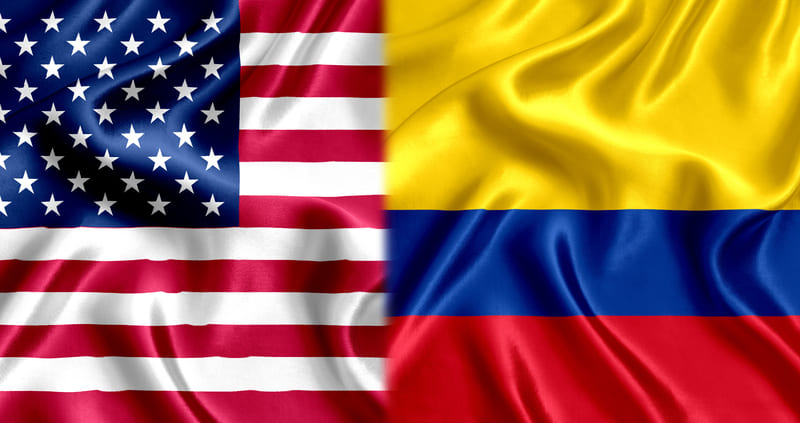
For many permanent residents, becoming a U.S. citizen represents the next major step after years of building a life in the United States. Yet one concern causes some eligible residents to postpone naturalization: “Will I lose my original citizenship if I become a U.S. citizen?”
For a Colombian, Mexican, Venezuelan, Ecuadorian, or Peruvian citizen, nationality can mean much more than having a passport. It is part of a person’s identity, maintains a legal connection with their home country, and can be important for traveling, visiting family, residing, working, or exercising other rights there.
The good news is that, for citizens of many Latin American countries, naturalizing in the United States does not automatically mean giving up your original nationality.
Does the United States Allow Dual Citizenship?
Yes. The U.S. Department of State explains that a person may naturalize as a U.S. citizen while keeping another nationality. U.S. law also does not require a citizen to choose between U.S. citizenship and another nationality.
Much of the confusion comes from the Oath of Allegiance, which is part of the naturalization process.
During the oath, a new citizen declares that they renounce allegiance and fidelity to any foreign state or sovereignty and pledges allegiance to the United States and its Constitution.
Those words can sound as though the person must surrender a foreign passport and formally cease being a citizen of their country of birth. That does not happen automatically.
As part of an ordinary naturalization ceremony, the United States does not require a new citizen to surrender their foreign passport. USCIS does collect the person’s Permanent Resident Card (Green Card) because, after taking the oath, the individual is no longer a permanent resident but a U.S. citizen.
What happens to the other nationality depends primarily on the laws of the other country.
What Happens to Citizenship from Colombia, Mexico, Venezuela, Ecuador, and Peru?
For citizens of these five countries, current laws are particularly favorable to retaining nationality.
Colombia. Colombian law expressly states that Colombian nationality is not lost by acquiring another nationality. Colombia also provides a formal procedure for voluntarily renouncing citizenship. Therefore, becoming a U.S. citizen does not, by itself, amount to renouncing Colombian nationality.
Mexico. Mexico permits its nationals to have another nationality in addition to Mexican nationality. Mexico’s Ministry of Foreign Affairs provides specific guidance for dual nationals, and the Mexican government explains that its nationality law has permitted Mexicans to hold another nationality since 1998.
Venezuela. Venezuela’s Constitution is equally clear: Venezuelan nationality is not lost by choosing or acquiring another nationality. Venezuelans by birth cannot be deprived of their nationality, although Venezuelan law allows voluntary renunciation.
Ecuador. Ecuador’s Constitution provides that Ecuadorian nationality is not lost through marriage, dissolution of marriage, or the acquisition of another nationality. Therefore, becoming a U.S. citizen does not by itself cause someone to lose Ecuadorian nationality.
Peru. Peru’s Constitution provides that Peruvian nationality is not lost except through an express renunciation before a Peruvian authority. Peruvian authorities also confirm that Peru permits dual or multiple nationality and that obtaining another citizenship does not automatically result in the loss of Peruvian nationality.

When Could You Actually Lose Your Original Citizenship?
It is important to distinguish between acquiring another citizenship and formally renouncing the citizenship you already have.
Several of the countries discussed above have specific procedures through which a person can voluntarily renounce nationality. Colombia, for example, provides a formal renunciation process, while Peru states that nationality is lost only through an express renunciation before a Peruvian authority. Venezuela also constitutionally recognizes voluntary renunciation.
Some rules can also differ depending on whether the person’s original citizenship was acquired by birth or through naturalization. Venezuela, for example, constitutionally protects Venezuelans by birth from being deprived of nationality, while naturalized Venezuelan nationality may be revoked through a judicial decision under applicable law.
Therefore, although the general answer for these countries is reassuring, individuals with unusual circumstances should review their specific situation before making decisions involving formal renunciation.
Two Passports Can Also Mean Two Sets of Responsibilities
Keeping two nationalities can provide significant benefits, but it can also mean having obligations under the laws of both countries.
Once naturalized, a dual U.S. citizen must use a U.S. passport to enter and leave the United States. The other country may likewise require its citizens to use that country’s passport when entering or leaving its territory.
Colombia, for example, requires dual nationals who are Colombian citizens to enter, remain in, and leave Colombia as Colombians.
Dual nationality may create other obligations depending on the country involved, so understanding the applicable rules before international travel is important.
Don’t Let This Myth Stop Your Path to Citizenship
If you are a permanent resident who has avoided considering naturalization because you fear losing your Colombian, Mexican, Venezuelan, Ecuadorian, or Peruvian citizenship, that fear may not reflect what the law actually provides.
For citizens of these countries, acquiring U.S. citizenship generally does not automatically result in losing their original nationality.
Every case, however, can involve unique circumstances. Before making such an important decision, it is wise to evaluate both your eligibility for naturalization and any consequences that could apply to your individual situation.
At AnaMaria Rivera Law Firm, LLC, we can help you evaluate your case and understand your options before beginning the process.
Are you considering becoming a U.S. citizen? L earn more about naturalization and how our team can assist you on our U.S. Naturalization Visa page.
This article provides general information and does not constitute legal advice. Immigration and nationality laws and policies may change, and every case should be evaluated individually.