
Introduction
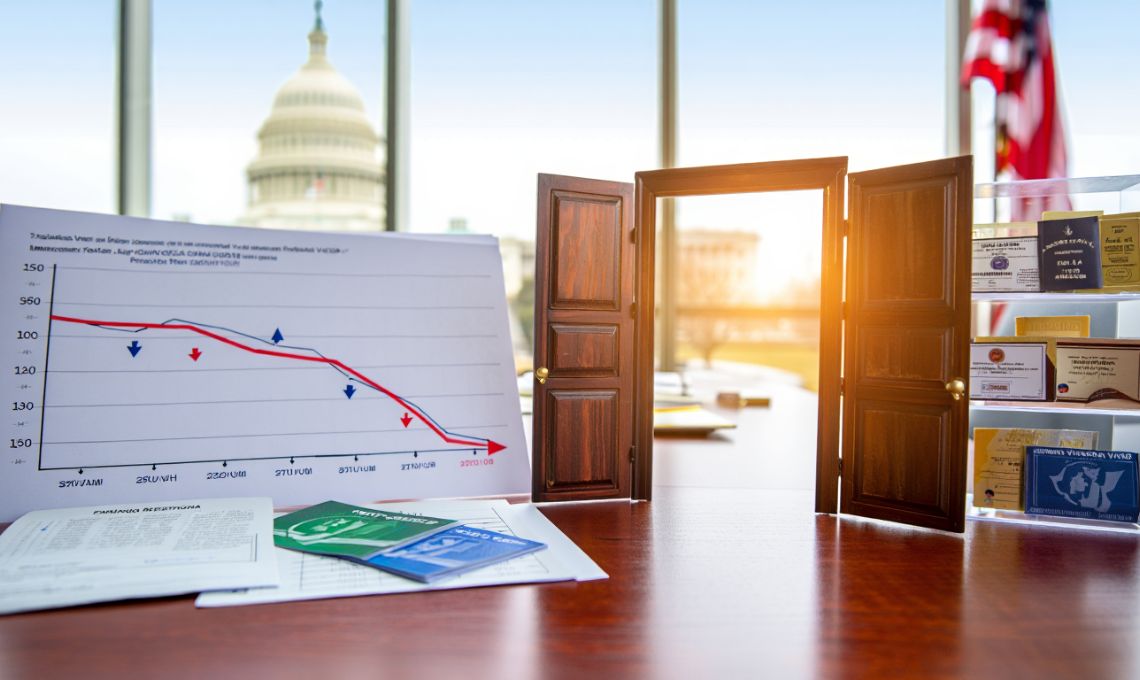
In 2025, the United States is experiencing a surprising demographic shift the immigrant
population is declining for the first time in decades. Between January and June 2025, data
from research centers show that the foreign-born population fell from about 53.3 million to 51.9
million, a decrease of nearly 1.4 million people.
This drop has been influenced by stronger border enforcement, deportations, slower visa
issuance, and voluntary returns. But beyond the statistics, this situation creates a new reality:
fewer immigrants could mean new opportunities for those who want to live and work legally
in the U.S.
1. Why is the immigrant population declining?
There are several key causes:
● Tighter border and visa controls. In recent years, the U.S. government has increased
security measures, delayed processing, and limited some humanitarian programs.
● Economic and personal decisions. Many immigrants have returned to their countries
due to inflation, job insecurity, or family reasons.
● Fewer new legal arrivals. The backlog of applications after the pandemic continues to
affect family and employment-based categories.
● Increased removals and voluntary departures. Enforcement actions and uncertain
legal pathways have also contributed to the reduction.
2. What could this mean for future immigration policy?
A decrease in the immigrant population can have two opposite effects, depending on the
political and economic climate:
1. Labor shortages may push the U.S. to attract skilled talent.
With fewer foreign workers and an aging domestic workforce, policymakers may open
more spaces for professionals, scientists, and investors through employment-based
visas (EB-1, EB-2 NIW, O-1, and E-2).
2. Economic necessity could drive reform.
Industries such as healthcare, technology, energy, and agriculture are already reporting
labor shortages. This could pressure Congress or the Executive Branch to expand or
expedite certain visa categories.
3. Innovation visas could gain momentum.
Programs designed for entrepreneurs, start-ups, and researchers might receive renewed
attention as the U.S. competes globally for innovation leadership.
3. Practical opportunities for applicants
A. Employment-Based Visas (EB-1, EB-2 NIW, O-1)
In a context of lower immigration and labor gaps, USCIS could prioritize high-impact petitions
those that show national benefit, leadership, or extraordinary ability.
If your work contributes to science, public health, infrastructure, or economic growth, now is the
time to prepare a well-documented petition.
B. Business and Investor Visas (E-2, L-1)
With fewer immigrants and more need for job creation, small businesses founded by immigrants
can play a key role. Entrepreneurs who can demonstrate investment and employment
generation may find favorable conditions in 2025–2026.

C. Family-Based Cases
A reduction in total immigrant numbers may help shorten waiting lines in some family
preference categories, especially if demand continues to decline.
D. Specialized Work Programs
Sectors such as nursing, construction, logistics, and renewable energy are requesting foreign
professionals. The government may strengthen temporary work visas (H-2B, TN, etc.) to
respond to market needs.
4. How to prepare and take advantage of this window
1. Update your professional profile.
Strengthen your résumé with measurable achievements, leadership experience,
publications, or specialized certifications.
2. Plan your immigration strategy early.
Don’t wait for a new reform start collecting documents, recommendation letters, and
evidence of accomplishments now.
3. Follow monthly visa bulletins.
If demand remains low, some employment-based categories may advance faster,
allowing earlier filing of adjustment of status (Form I-485).
4. Monitor policy changes.
The U.S. may implement temporary pilot programs or incentives for critical sectors. Work
closely with an attorney to adapt your case accordingly.
5. Stay compliant.
Always keep your immigration status valid, maintain updated records, and respond
promptly to USCIS requests for evidence.
5. Final reflection
The current decline in immigration doesn’t necessarily mean restriction it may also open a
window of strategic opportunity.
In times of demographic change, those who act proactively, prepare strong documentation, and
align their professional goals with U.S. national needs are the ones who succeed.
At AnaMaria Rivera Law Firm, LLC, our team helps clients identify these opportunities and
develop a clear, evidence-based strategy for employment, family, or investment visas.
The best time to prepare your petition is before the next wave of applicants begins.